


Overview
The Kansas primary election is August 4. In southeast Kansas, 13 candidates are running for four seats in the state House of Representatives. Two more candidates are running for the U.S. House of Representatives in Kansas’ 2nd and 4th districts.
A variety of issues are at the forefront for the candidates, such as property taxes in the region, economic development, public education and healthcare.
Candidates running for the first time
U.S. House of Representatives

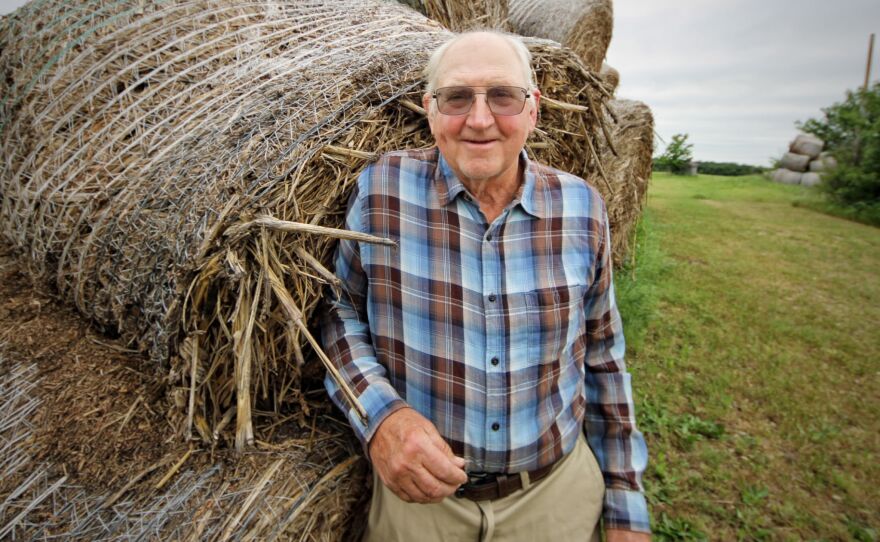
Don Coover is from Galesburg, Kansas. He’s the Democratic candidate for the U.S. House of Representatives for the 2nd Congressional district. KRPS reached out to Coover for an interview but he did not respond.
Frank McCollum is from Fall River, Kansas. He is running as a Republican candidate to represent the 4th Congressional district. Inflation control is McCollum’s key campaign issue.
“There’s nothing affordable left in this country,” McCollum said.
Kansas House District 2

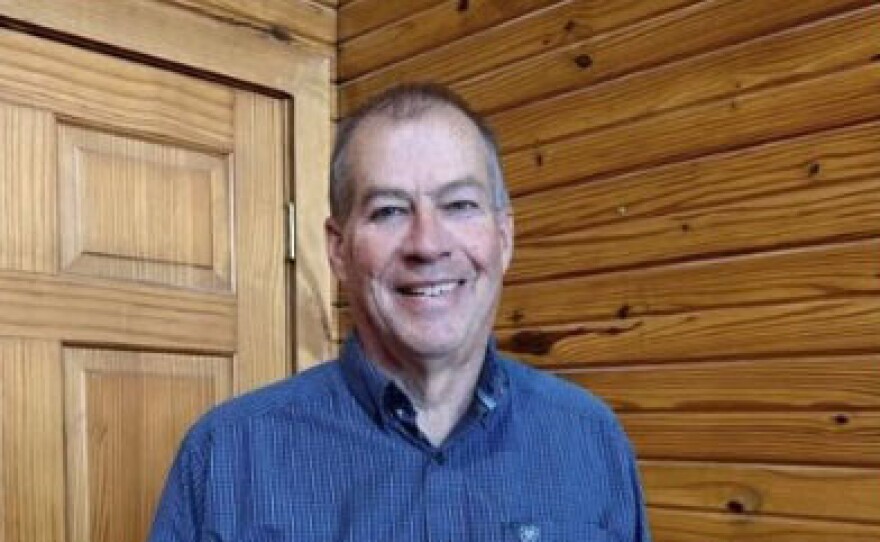
Girard resident Avery Rowland is the Democratic candidate for the District 2 seat on the House of Representatives.
Her campaign issues include accessible healthcare, marijuana legalization, free meal programs for K-12 students, education, job opportunities and renewable energy.
Pittsburg Republican candidate Dan Muter is running against Rowland to represent District 2. He said his only main agenda for running is to “represent the people of the second district.”
Kansas House District 3

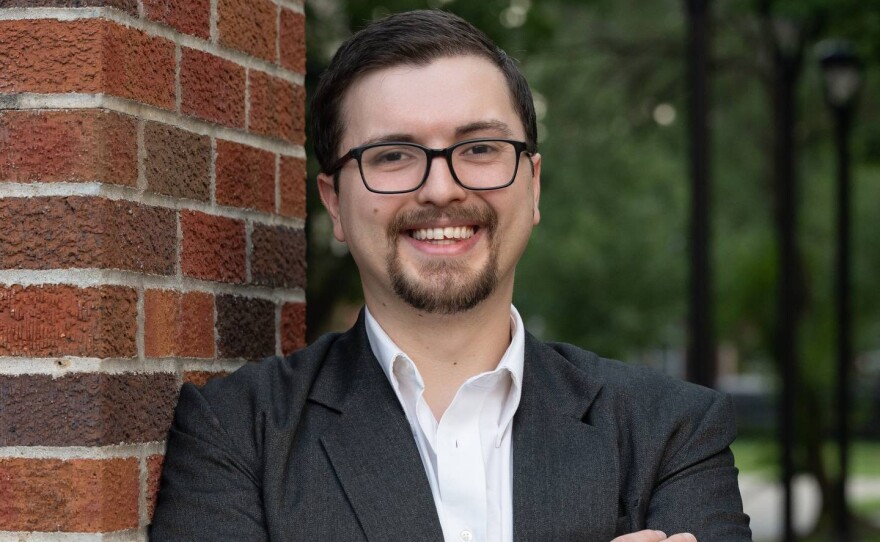
The candidates for District 3 are unique because two candidates, DJ Perry and Isaiah Harris, had previously ran for a seat on the Pittsburg City Commission in 2025. Perry won one of the seats on the commission.
Harris did not win a commission seat. He’s now campaigning on key issues like lowering healthcare costs, higher wages, empowering labor movements and investing in education.
Isys Galindo is also running for District 3. She’s the youngest candidate at 19 years old and is a graduate from Pittsburg High School.
Perry and Galindo did not respond to KRPS’ request for an interview.
Kansas House District 4
Libertarian candidate Rob Hodgkinson is running to represent District 4 in the Kansas House of Representatives. Hodgkinson announced his candidacy on July 5.
Kansas House District 7


Democratic candidate Leland Crooks is running to represent District 7 in the Kansas House of Representatives. His key issues include education, housing, property taxes and keeping “dark money” out of Kansas.
Taylor Moreland is the second Democratic candidate for District 7. Her key issues include property tax relief, marijuana legalization and small business support.
Republican T. Doug Allen will be running against Crooks and Moreland for the 7th Congressional District seat. Allen's key issues include property taxes and taking a “creative approach to problem-solving.”
Kansas House District 11

Democratic candidate William Kendall is running for the first time in District 11. He's focusing on marijuana legalization, free meal programs for K-12 students and transparency and accountability in government.
Incumbent candidates
Three Republican candidates are running for reelection for the Kansas House of Representatives. Dale Helwig of Pittsburg is running for the 1st District, Mulberry’s Kenneth Collins is running for the 2nd district and running for the second and Coffeyville’s Ron Bryce is running for the 11th.

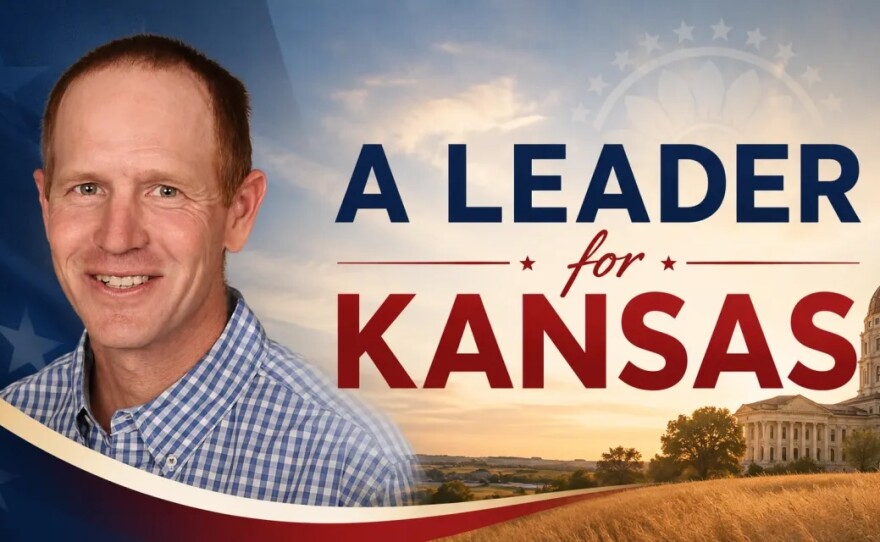
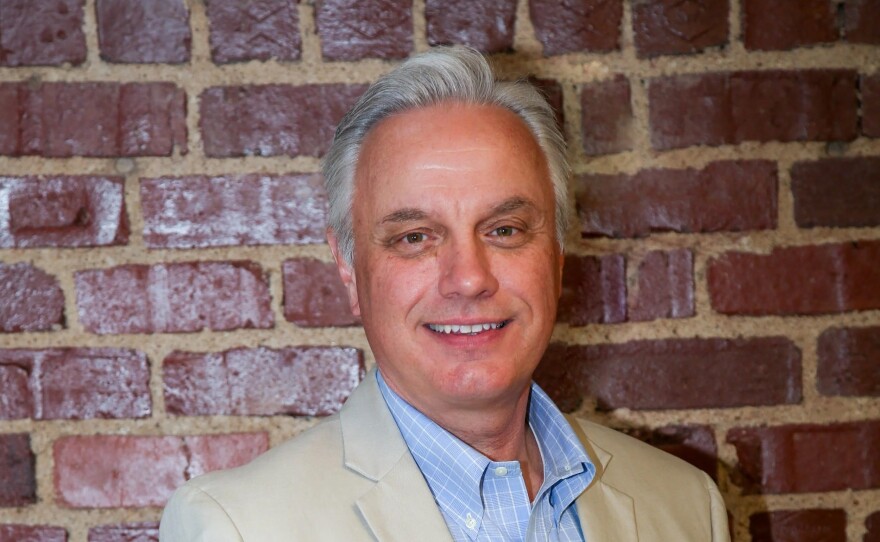
Rep. Helwig has been in office since Jan. 13, 2025. He’s a cattle farmer and has spent the last ten years as the Cherokee County Agricultural agent for Kansas State University.
He’s previously served on four committees.
He’s running on issues of government transparency and accountability, property taxes, protecting the Second Amendment, Medicaid expansion, welfare reform, school financing and pro-life issues.
“I was just a freshman this last term,” Helwig said. “So I didn’t know everything, but I could see that there needs to be some work done.”
Rep. Collins has been in office since 2019. He’s been elected three times. He’s a military veteran and currently serves on the Veterans and Military Committee and three other committees.
“I know the history,” Collins said. “I know what we have done that hasn’t worked, and what we’ve done that has worked, and just try to build on that.”
Rep. Bryce has been in office since 2023. He’s been elected two times. He served on five committees and is the vice chair for the House Committee on Health and Human Services. KRPS reached out to Bryce for an interview but he did not respond.
Property taxes
Property taxes have emerged as a major issue among Kansas voters. A 2024 Kansas Speaks survey found that one-third of Kansans considered property taxes a moderate threat to their ability to keep in their homes. Rising property valuations have also pushed tax bills higher in recent years.
KRPS interviewed 10 out of the 15 candidates in southeast Kansas. Regardless of party affiliation, most said they want to see changes in property taxes.
Republican candidate T. Doug Allen argues the main problem is that property owners aren’t able to predict their taxes because of an increase in appraisal values.
“The true market value of a property is when somebody buys it and somebody sells it,” he said. “People know how to spend their own money better than the government does.”
Democratic candidate Leland Crooks advocates for a land value tax system instead of reducing taxes. This proposed change would separate the land value from the improvements made to a property.
“Our property tax system is broken and needs to be revamped completely,” he said. “If somebody fixes up their house, their property taxes go up. They’re getting taxed on unrealized gain.”
Another Democratic candidate, Isaiah Harris argues that property taxes are related to the state underfunding public education. According to him, the state should absorb more of the financial burden falling on local taxpayers.
“Special education is not being funded enough,” Harris said. “If we actually fund education, that would give local municipal boards so much leeway to actually reduce the property taxes they’re collecting right now.”
Affordability
Another issue at the forefront of southeast Kansas political campaigns is affordability. Candidates largely agree on affordability being a growing concern, but they differ on what exactly is driving costs and how to address them.
Rising prices for groceries, housing and everyday expenses have strained household budgets in recent years, especially in rural communities where incomes tend to be lower than the state average.
The median household income in southeast Kansas is $58,045. The average across the state at $75,514, according to Census Reporter 2024.
Poverty rates between counties in southeast Kansas range, with Crawford County at 14.1% and Elk County at 6.3%. The average poverty rate for Kansas is 7.5%, according to the National Institute on Minority Health and Health Disparities.
District 2 Republican candidate Dan Muter wants to reduce the tax burden to help with rising costs.
“One of the big things, of course, is cutting taxes and helping people to keep more of their money in their pockets,” he said.
District 11 Democratic candidate William Kendall is largely focused on the day-to-day cost of living for Kansas families. He argues rising expenses are making it difficult for working residents to stay on their feet.
“I don’t feel $8,900 for a one bedroom or two bedroom house is sufficient when our jobs pay $11 or $12 an hour,” Kendall said.
He’s also a supporter of the legalization of marijauna in Kansas. He said it could create opportunities to benefit lower-income residents.
“If we could get the legalization of marijuana passed,” he said. “That could help give lower poverty residents a hand up.”
Incumbent candidate Helwig’s campaign is largely focused on government transparency. He said affordability in Kansas has to do with how tax dollars are managed on a state level.
“We give a lot of tax abatements and property tax exemptions for different businesses and organizations,” Helwig said. “That just shifts the tax burden on the other residents that are remaining in the area.”
The winning candidates will be on the ballot for the 2026 General Election on November 3. Voters will decide on all 125 seats in the Kansas House of Representatives.
More information on polling locations can be found on the Kansas Election Board website.
Copyright 2026 KRPS. To see more, visit Four States Public Radio.
