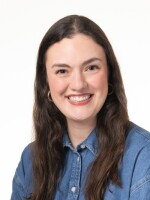
SCHNELLE: So could you explain your experience with the homeless population?
BOURGEOUS: "So I come from an economic development district.
We were designated through the Economic Development Administration to kind of be the catch-all, be-all to support our local communities, local nonprofits, as well as the private sector businesses in finding solutions that were difficult to find solutions for. And one of those things was just homelessness. What I did is I brought committees together. We created a committee to help strengthen our social response network. We worked really closely with those involved to find solutions, and that's kind of what this role is here."
SCHNELLE: As I've understood it, the issues that are happening in Joplin are reflected nationwide, but it's unique to Joplin because the EF5 tornado destroyed one of the affordable housing neighborhoods in 2011. The recent preliminary resultß for the Point-in-Time Count have revealed an increase in the unsheltered population. How do you plan to address these types of issues?
BOURGEOUS: "I would turn that question into how do we plan to address that, because yes, I am here hired in this capacity, but my capacity is to be able to engage the community to have a community response because of the complicated and multi-rooted causes of homelessness and understanding that the chronic Homeless that you see in the street is not the full story of homelessness. So, to really get a foothold on this struggle, we need to get community partners, not just current homeless providers, but organizations throughout the community to really get involved and add their expertise into finding these solutions. We have these subcommittees as part of the coalition, and the subcommittees are targeted. Efforts to where we're bringing experts onto this to really get down to the root causes of specific cases. I would say the committee that's going to be responsible for addressing a lot of those types of things is our system of care committee and ensuring that we understand the who, what, where, when and why for homelessness is going to be vital."
SCHNELLE: What do you and the commission want the unsheltered population or anyone? Struggling with unstable housing to know if you had to speak to them right now?
BOURGEOUS: "That you're not alone. There are people and organizations that want to be able to help where we can come and seek out help. We want to make sure that if there are individuals that need the help, that there's a system in place that will get them from start all the way through to finish to independence and self-reliance."
SCHNELLE: You mentioned before we started this interview that you talked to the city council. I have interviewed the former Mayor Keenan Cortez, who is serving on the city council this year, and he has mentioned, you know, one of his goals was to hire this position. I was just wondering how the city council meeting went.
BOURGEOUS: "Just looking at the investment that they made into the community plan to address homelessness and then the seed funding for the commission is just a big physical illustration of their support. Support and their dedication to really resolving and addressing homelessness. I just really want to emphasize the importance of collaboration. I want everybody in our community to look at what they're doing and say, how can what I'm doing contribute to the homeless response system? How are we preventing homelessness? So the United Way has all this data about the Alice population, and it's really the people that make too much money to qualify for any.
Assistance or services, but they don't make enough money to get ahead or to cover all of their basic needs and they're one emergency away from potentially being homeless. As we have entities asking themselves, what can we do, it's going to help. And ideally, once January comes around again, and we have this coordinated response. We're seeing improvements that we'll see that point-in-time count go lower, or at the very least, we can see that first-time homelessness has decreased significantly."
Copyright 2026 KRPS. To see more, visit Four States Public Radio.